Preparing Before You Contact a Wedding Photographer
Before you send that first email, understanding your budget, style, and timeline will transform a generic inquiry into a meaningful conversation with a potential partner in storytelling.
Before you send that first email, understanding your budget, style, and timeline will transform a generic inquiry into a meaningful conversation with a potential partner in storytelling.
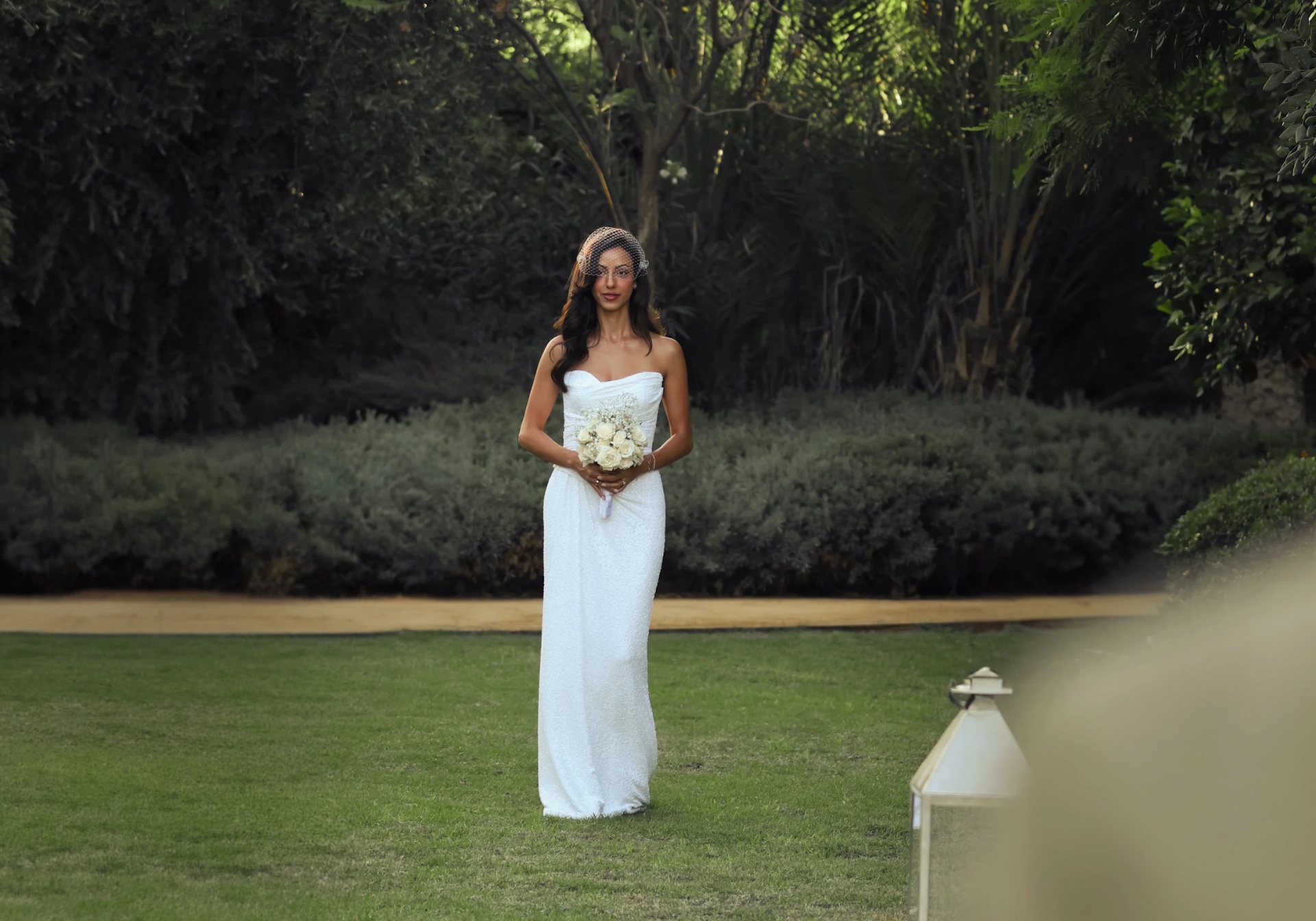
The process of planning a wedding is often described as a whirlwind, and for good reason. Between selecting a venue, choosing a menu, and coordinating the guest list, the sheer volume of decisions can be overwhelming. Yet, among these many choices, the decision to hire a wedding photographer stands apart. Unlike a caterer or a florist, a photographer is not merely a vendor; they are the custodians of your memories, the visual storytellers who will translate the emotion of the day into a tangible legacy. Because of this weight, the moment you decide to contact a photographer should not be a moment of panic, but a moment of clarity. The most effective way to ensure you find a photographer who truly understands your vision is to prepare thoroughly before you ever send that initial inquiry. This preparation does not require you to have every detail of the wedding nailed down, but it does require you to have a clear sense of your priorities, your aesthetic preferences, and your logistical constraints.
The first and perhaps most critical step in this preparation is establishing a realistic budget. Photography is an investment in the future, but it is also a service that varies wildly in price based on experience, equipment, and deliverables. Before you look at portfolios, you must know what you are willing to spend. This number should be derived from your overall wedding budget, keeping in mind that photography is often one of the most expensive line items. Knowing your budget upfront serves a dual purpose: it filters out photographers who are out of your price range, saving you time, and it signals to the photographer that you are a serious client who respects their craft and their time. It is far better to know your budget and be flexible on the package than to fall in love with a style you cannot afford. Furthermore, understanding your budget allows you to ask the right questions later, such as what is included in the package versus what might incur additional fees, ensuring there are no surprises down the road.
Once the financial parameters are set, the next area of preparation involves defining your aesthetic vision. This is often the most subjective part of the process, yet it is essential for finding a compatible photographer. Do you envision a traditional, formal portrait session with everyone looking stiffly at the camera, or do you prefer a candid, documentary style that captures the candid laughter and tears of the day? Perhaps you are drawn to a specific color palette or a moody, cinematic look. To articulate this vision effectively, it is helpful to create a mood board. This can be a simple digital collage on Pinterest or a physical board with images cut from magazines. By gathering images that resonate with you, you create a visual shorthand that transcends language. When you contact a photographer, you can say, “I love the lighting in this image” or “I want the vibe of this photo,” rather than relying on vague terms like “pretty” or “artsy.” This specificity helps the photographer understand your taste and allows them to quickly assess whether their own artistic style aligns with your expectations.
Closely linked to your aesthetic vision is your understanding of the timeline. A photographer’s ability to capture the perfect shot is heavily dependent on the flow of the day. Before you contact them, you should have a rough idea of when key events are taking place. Are you having a morning ceremony followed by a reception, or are you opting for an evening ceremony with a cocktail hour beforehand? Do you have a first look planned, or will the couple see each other for the first time at the altar? These details matter immensely. A photographer who specializes in candid, photojournalistic work might need more time to blend into the background and capture unposed moments, whereas a photographer who focuses on posed portraits might need a more structured schedule. By sharing your timeline, even a preliminary one, you allow the photographer to assess whether they can cover all the moments that are important to you. It also helps them determine if they need to bring additional crew members or equipment to ensure they can be everywhere at once without compromising the quality of the images.
Another logistical factor that often gets overlooked is the guest count. The number of people attending your wedding directly impacts the complexity of the photography coverage. A small, intimate wedding of fifty guests might require a photographer who is comfortable moving quickly and focusing on close-up details and emotional interactions. In contrast, a large wedding with two hundred or more guests requires a photographer who can manage a crowd, direct groups efficiently, and ensure that no important family member is left out of the frame. When you contact a photographer, they will inevitably ask about the guest list. If you have a rough estimate, you can provide it, but even if you do not know the exact number yet, having a sense of the scale is helpful. This information helps the photographer determine if they need to bring a second shooter to ensure comprehensive coverage. It also allows them to advise you on how to manage group photos efficiently, which is often the most stressful part of the day for guests and photographers alike.
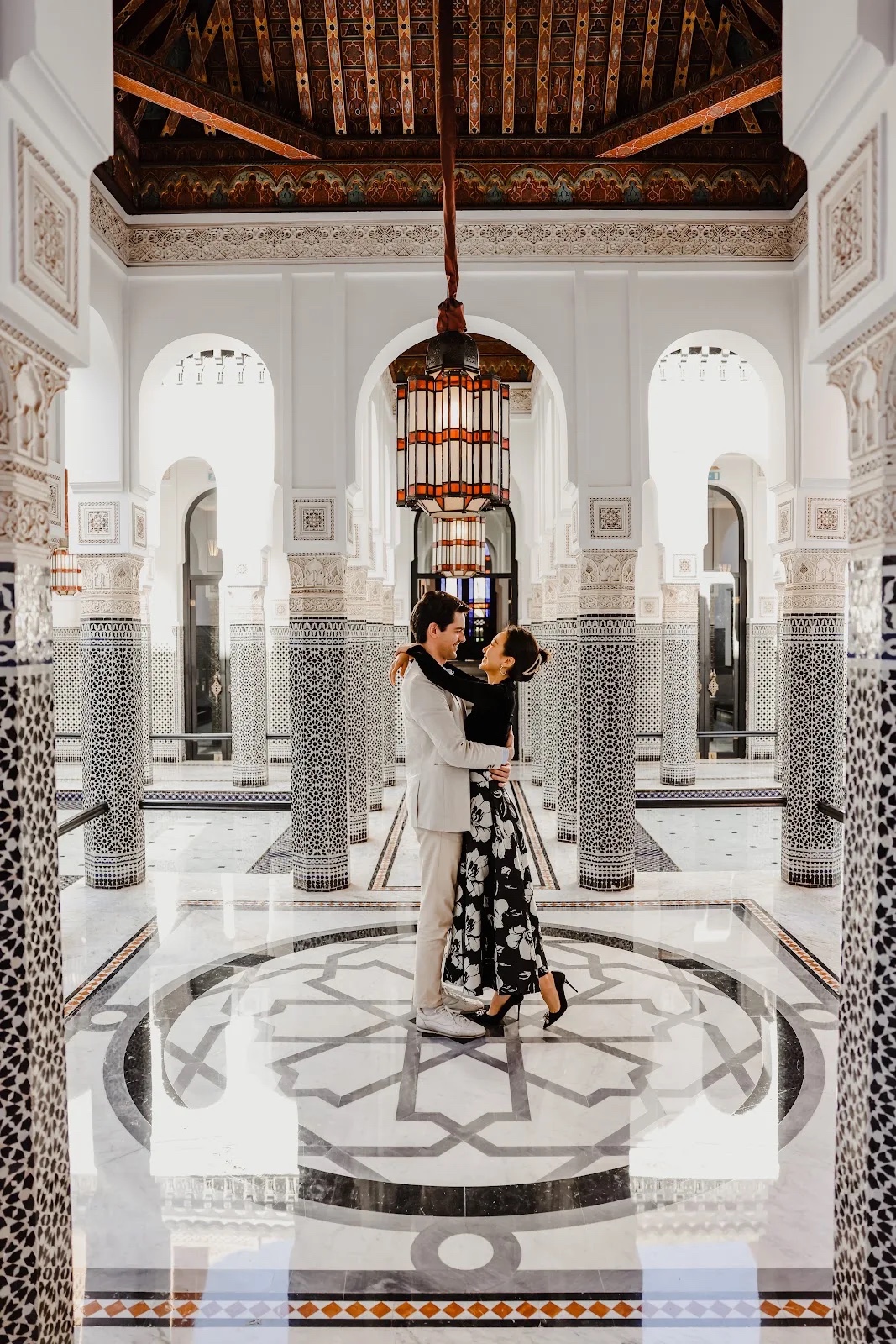
Location and setting are also crucial elements to consider before making contact. While you may not have finalized your venue, having a general idea of where the wedding will take place can be very telling. Is the ceremony indoors in a ballroom, or outdoors in a garden or a historic palace? Are there architectural details that you want to highlight, such as arches, columns, or intricate tile work? The lighting conditions at a specific venue can drastically change the look and feel of the photographs. A photographer who is experienced in low-light environments might be necessary for a candlelit evening ceremony, while a photographer who excels in natural light might be perfect for a daytime outdoor wedding. If you have a specific location in mind, you can ask the photographer if they have shot there before. While they do not need to be local to every venue, familiarity with the lighting and logistics of a location can be a significant advantage. It allows them to anticipate challenges and plan their shots accordingly, resulting in a more cohesive and beautiful final portfolio.
Beyond the logistics and the aesthetics, there is an emotional component to this preparation. You need to consider what you want the photographs to say about your relationship. Are you a couple who loves adventure and spontaneity, or are you more reserved and prefer quiet, intimate moments? Your personality as a couple should be reflected in your wedding photography. If you are naturally shy, you might want to hire a photographer who is excellent at putting people at ease and capturing genuine smiles without forcing them. If you are outgoing and energetic, you might want a photographer who is comfortable directing dynamic, high-energy shots. Understanding your own dynamic as a couple will help you communicate your needs to the photographer. It is also important to consider the level of involvement you want from the photographer. Some couples want the photographer to be a quiet observer, while others want them to be an active participant in the day. Clarifying this expectation early on can prevent misunderstandings later and ensure that the photographer works in a way that makes you feel comfortable.
Legal and administrative preparation is another practical step that should not be ignored. Before you sign a contract, you need to understand the terms regarding copyright and usage rights. In the digital age, this is more important than ever. You want to ensure that you have the rights to print and share your photos as you wish, whether that means creating a coffee table book, sharing them on social media, or printing large canvases for your home. A reputable photographer will be transparent about their licensing model, but you should do your own research beforehand. Ask yourself: Do I want full commercial rights, or are personal use rights sufficient? Do I want to own the negatives, or do I just want the final digital files? Having these questions answered before you contact a photographer ensures that you are comparing apples to apples when you review different packages. It also protects you from potential legal issues down the line and ensures that your memories are truly yours to keep.
Insurance is another aspect that often gets overlooked until it is too late. Weddings are unpredictable events, and things can go wrong. A photographer should carry their own liability insurance to protect both themselves and you in the event of an accident. Before you hire anyone, it is wise to ask if they are insured. This is a standard question for any professional vendor, but it is one that many couples forget to ask. It provides peace of mind knowing that you are working with a professional who takes their responsibility seriously and is prepared for any eventuality. Furthermore, if you are getting married in a unique or remote location, you might want to check if the photographer has experience traveling to such places. This includes understanding the logistics of getting equipment to the venue and being prepared for different weather conditions. This level of foresight demonstrates professionalism and reliability.
The preparation phase is also the time to reflect on what you value most in a vendor relationship. Photography is a collaborative process. You will be spending a significant amount of time with your photographer, often on the most important day of your life. You need someone who is not only talented behind the camera but also easy to communicate with and supportive of your vision. Before you contact a photographer, think about your communication style. Do you prefer to communicate via email, phone, or video call? Do you need frequent updates, or do you prefer to be surprised by the results? These are important considerations that can make or break the experience. You want to find a photographer who listens to your ideas and offers constructive feedback, rather than someone who simply imposes their own vision on your day. The best photographers are those who act as partners, guiding you through the process while respecting your unique story.
Finally, it is important to be realistic about the timeline of the hiring process. Photography is a highly sought-after service, and the best photographers are often booked up a year or more in advance. By preparing your questions and your vision before you contact them, you can streamline the process and increase your chances of securing your preferred date. When you do make contact, you will be able to have a meaningful conversation rather than a generic one. You will be able to discuss your budget, your style, and your timeline with confidence. This not only saves time for both you and the photographer but also demonstrates that you are a serious and organized client. It sets the tone for a positive and productive working relationship from the very beginning.
In conclusion, the time you spend preparing before contacting a wedding photographer is an investment that pays dividends throughout the entire wedding planning process. It ensures that you find a photographer who not only captures beautiful images but also understands your story and supports your vision. By clarifying your budget, defining your aesthetic, understanding your timeline, and considering the logistical and emotional needs of your day, you transform a simple vendor search into a strategic partnership. This preparation allows you to have a more meaningful conversation, ask better questions, and ultimately make a more informed decision. The result is a wedding photography experience that is less stressful and more enjoyable, and a collection of images that truly captures the essence of your love story for generations to come.