7 Tips Every Couple Should Do When Looking at the Camera During the Wedding
Discover how to master your wedding portraits with seven essential tips for looking natural, relaxed, and elegant in front of the camera.

Discover how to master your wedding portraits with seven essential tips for looking natural, relaxed, and elegant in front of the camera.
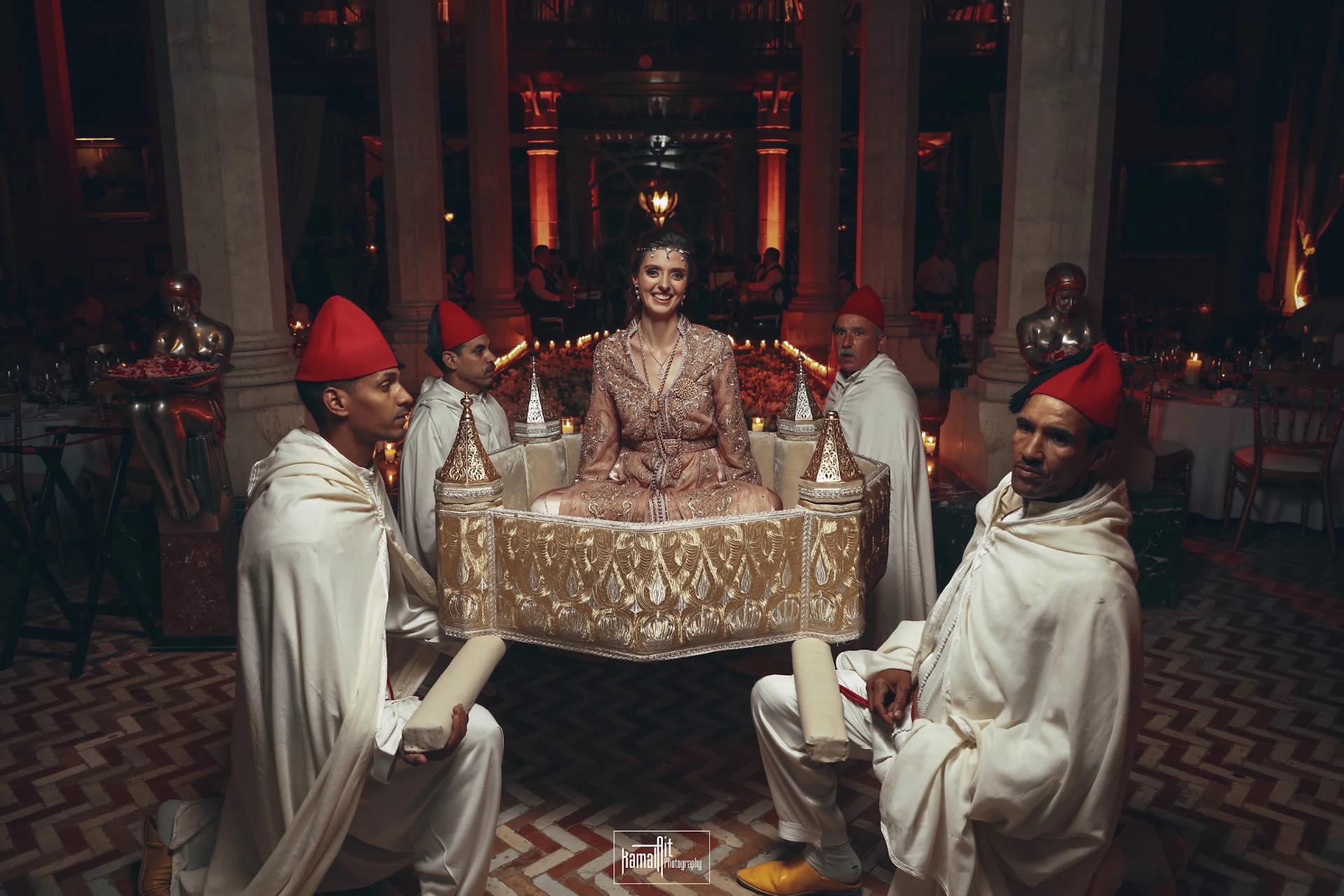
The wedding day is a whirlwind of emotions, a beautiful chaos of tradition, laughter, and profound connection. Amidst the grandeur of a Marrakech riad or the sweeping vistas of a desert estate, it is natural for couples to feel a certain level of self-consciousness when the camera lens turns toward them. Many couples approach their wedding portraits with the desire to look perfect, yet often, the pursuit of perfection is exactly what creates tension in a photograph. To capture the true essence of your union, the goal should not be to perform for the camera, but to exist beautifully within the moment. Understanding how to interact with the lens can transform a standard portrait into a timeless piece of art that breathes with life.
One of the most effective ways to achieve a natural look is to shift your focus away from the camera itself and toward your partner. When both individuals are intensely focused on the lens, the resulting image can sometimes feel staged or overly formal. Instead, try to treat the camera as a silent observer of your intimacy rather than the center of attention. By looking at one another, sharing a private joke, or simply resting your forehead against your partner’s, you create a sense of depth and narrative. These moments of connection allow the photographer to capture the genuine electricity between you, which is far more compelling than a direct, static gaze.
Facial tension is perhaps the most common challenge during wedding photography. When we feel watched, our natural instinct is to stiffen our muscles, particularly around the jaw and the mouth. This tension can lead to a forced smile that does not reach the eyes, creating a look that feels unnatural. To combat this, practice conscious relaxation. A simple technique is to take a deep breath and slightly part your lips, which helps soften the jawline and prevents the mouth from looking clamped. Remember that a soft, relaxed expression is often much more elegant than a wide, forced grin, especially in high-fashion or editorial-style wedding portraits.
Your eyes play a pivotal role in the storytelling of a wedding portrait. There is a significant difference between staring at a lens and engaging with it. A common mistake is to open the eyes too wide, which can result in a startled or 'deer in the headlights' appearance. Instead, aim for what photographers often call a soft gaze. This involves relaxing the muscles around your eyelids, allowing for a look that is warm, inviting, and soulful. If you are looking directly at the camera, imagine you are looking through the lens at someone you love; this subtle shift in intention will immediately change the expression in your eyes.
We often forget that our hands are incredibly expressive tools that can either enhance or detract from a portrait. In many wedding photos, hands can end up looking awkward if they are simply hanging at the sides or gripped too tightly. To avoid this, think about purposeful placement. A hand resting gently on a partner’s waist, fingers lightly brushing a cheek, or interlacing fingers creates a sense of touch and tenderness. Avoid 'claw-like' hands by keeping your fingers relaxed and slightly separated. The goal is to use your hands to communicate affection and to create soft, flowing lines within the composition.
Posture is the foundation of a flattering silhouette, yet it must be balanced with comfort. While it is important to avoid slouching, which can diminish the elegance of a wedding gown or a tailored suit, being too rigid can make you look like a statue. The key is to find an elongated, upright posture that still feels effortless. Think about lengthening your neck and dropping your shoulders away from your ears. This creates a more graceful line and prevents the tension that often travels from the shoulders up to the face. Small adjustments, such as shifting your weight to one leg or slightly angling your body, can make a significant difference in how your silhouette is captured.
Movement is often the secret ingredient to breathtaking wedding photography. Rather than standing perfectly still, try to incorporate gentle, continuous motion. Walking hand-in-hand, a slow twirl during a dance, or even a shared laugh while moving toward the camera can break the stiffness of a pose. Movement allows the fabric of your attire to flow naturally and creates a sense of spontaneity that static poses cannot replicate. When you move, your body reacts in real-time, leading to those fleeting, candid expressions that truly define the spirit of your wedding day.
Finally, the most important tip is to place your trust in your photographer. A professional wedding photographer is not just there to click a button; they are there to direct, guide, and observe. They understand lighting, angles, and the nuances of human emotion. If they ask you to move in a way that feels slightly unusual or to look in a direction that seems counterintuitive, trust their vision. They are seeing the frame as a whole, including how you interact with the environment and the light. By letting go of the need to control the outcome and instead leaning into the guidance provided, you free yourself to actually enjoy the experience, which will invariably result in the most beautiful images.